Almost every business leader has lived through this exact frustration:
"Our customer surveys were glowing. Prospects told us our new product looked fantastic during demos. Our pricing seemed fair. But the moment we sent the final contract—or right when they reached the checkout screen—half of them vanished into thin air."
Most traditional marketing research focuses entirely on what people like. Teams test features, polish product pitch decks, and survey user interest.
But when real deals stall, it is rarely because a prospect wanted one more flashy button. Deals die because of buyer hesitation—the quiet, uncomfortable fears people feel right before they pull out their credit card or ask their boss for budget approval.
According to Gartner’s research on modern buying behavior, business buyers now complete over 75% of their research on their own before they ever book a sales call.1 In the final days before signing, they aren't looking for reasons to say yes. They are frantically looking for reasons not to get burned.
For every modern market research analyst or growth team, real consumer research cannot stop at customer satisfaction scores. You have to understand what buyers are secretly whispering in anonymous forums right before they freeze. Here is a practical look at how to use AI and real search habits to find—and fix—the hidden friction killing your sales.
1. The Four Fears That Quietly Kill Deals
When you comb through thousands of honest Reddit threads, customer reviews, and peer forums, you realize that buyers rarely abandon deals over small things. They freeze because of four very human anxieties:
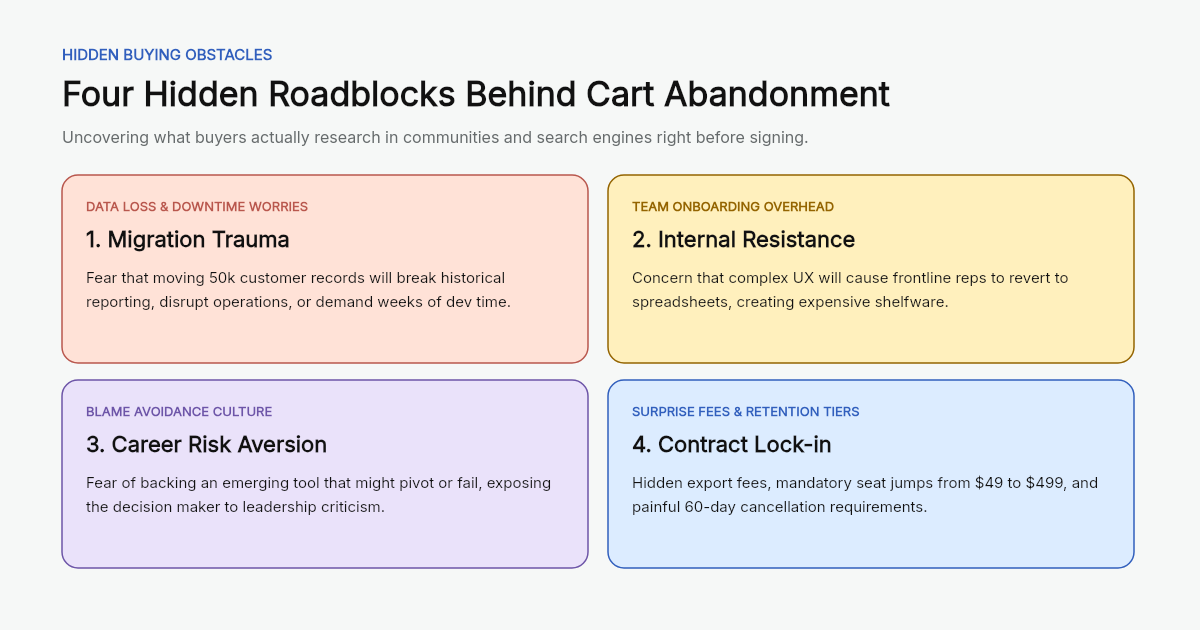 Figure 1: The four hidden worries that make buyers second-guess their decision at the last minute.
1. The Data Migration Nightmare
Buyers do not care if your interface looks pretty if they are terrified of the switch. Their real fear sounds like this: "If we move our 50,000 customer records from our old system, will three years of historical reports break? Is my team going to spend their entire weekend fixing broken spreadsheets?"
2. The "Nobody Will Actually Use This" Anxiety
Nobody wants to buy software that turns into expensive digital dust. Department heads worry that after spending thousands of dollars, their frontline employees will complain about the learning curve and quietly sneak back to using their old workarounds.
3. Career Risk (The Fear of Looking Bad to Leadership)
There is an old saying in business: "Nobody gets fired for buying from an established giant." Choosing a newer or lesser-known company carries personal risk for the buyer. If the tool crashes or the company struggles next year, the person who championed the purchase looks bad in front of the executive team. When buyers feel that doubt, they retreat to familiar market research companies and legacy brands simply to protect their own jobs.
4. Surprise Fees and Getting Trapped
Nothing scares a buyer off faster than reading forum complaints about hidden traps: surprise fees to export their own data, plans that jump from $49 to $499 when you add a fourth user, or cancellation policies that force you to mail a physical letter 60 days in advance.
2. How to Use AI to Uncover What Buyers Are Really Worried About
Customers rarely tell sales reps about these fears directly because they do not want to sound difficult. But they share them openly on Google, Reddit, and review sites. Here is how your team can uncover those real thoughts:
Step 1: Look at What Buyers Search When They Are Anxious
Start by collecting the specific "defensive" search terms people type when they are having second thoughts about you or your competitors:
- The "What else is out there?" searches:
[Competitor] alternatives for small teams - The "Are they hiding something?" searches:
[Product] hidden costs,[Product] support complaints - The "How bad is the breakup?" searches:
migrating away from [Competitor],cancel [Product] subscription problems - The "Honest gut-check" searches:
is [Product] actually worth it Reddit,[Product] real pros and cons
Step 2: Use AI to Group Real Complaints Into Clear Themes
Collect 50 to 60 unfiltered reviews and forum threads (focus especially on 2-star and 3-star reviews, because they tend to be the most honest). Then, give them to an AI model with a simple, human prompt:
*"Act as an objective business consultant. Read these 60 raw customer reviews and forum discussions:
- Ignore small cosmetic complaints. What are the top 3 deep fears that made people hesitate to buy or want to cancel?
- What specific promises or guarantees (like easy data export or hands-on migration help) would have made these buyers feel safe?
- Summarize this into a clear, simple table our sales and marketing teams can use."*
Step 3: Turn Those Fears Into Straightforward Answers
Once you see the exact pattern of doubts, you have a roadmap of what your website and sales conversations are currently missing.
3. How to Remove the Friction and Close Deals Faster
Once you understand what makes your prospects nervous, you don’t have to slash your prices. You just have to make it easy and safe for them to say yes:
- Take away the fear of moving data: If prospects dread migration, don’t hide your technical docs behind a login. Put a clear promise right next to your pricing button: "We handle your data migration for free, and our team stays on the phone with you until everything runs smoothly."
- Help your champion look good to their boss: Give your primary contact a simple, one-page cheat sheet titled "How to Explain This Purchase to Your CFO." Fill it with simple cost savings, clear timelines, and risk protections so they don’t have to do the heavy lifting alone.
- Make leaving so easy that staying feels safe: State your terms in plain English right on your checkout page: "You can export your raw data with one click anytime. No surprise lock-in contracts." When buyers know they can easily leave, they feel far more confident coming aboard.
The Real Secret to Smarter Market Research
Smart competitor research and modern market research services aren’t about writing dense, academic whitepapers. They are about listening closely to the quiet doubts your customers are feeling in the wild.
When you take the time to understand where your buyers hesitate—and you talk to them like a real person to solve those concerns—you don’t just build a better product. You build trust, shorten your sales cycle, and win deals that others lose to hesitation.
Sources and date notes
Notice and fair use statement: Behavioral models, purchasing surveys, and intent research methodologies referenced in this article reflect public industry studies. All company names, logos, and trademarks belong to their respective corporate entities.
Disclaimer
This guide is intended for commercial strategy, market research methodology, and marketing enablement reference only. Organizations should tailor buyer journey interventions to their specific compliance, regulatory, and contract environments.
CTA
Ready to uncover the hidden buyer objections and competitive alternatives shaping your market? Explore how ResearchMaster AI delivers verified, source-backed market research to accelerate commercial decisions.
Footnotes
- Gartner Sales & Commercial Research, B2B Buying Journey Report: Managing Hesitation, Regret, and Risk in Complex Purchasing, accessed October 2026. ↩